Message Quality for AI Agents: The Complete Guide
The input layer that decides your cost, before the model does.
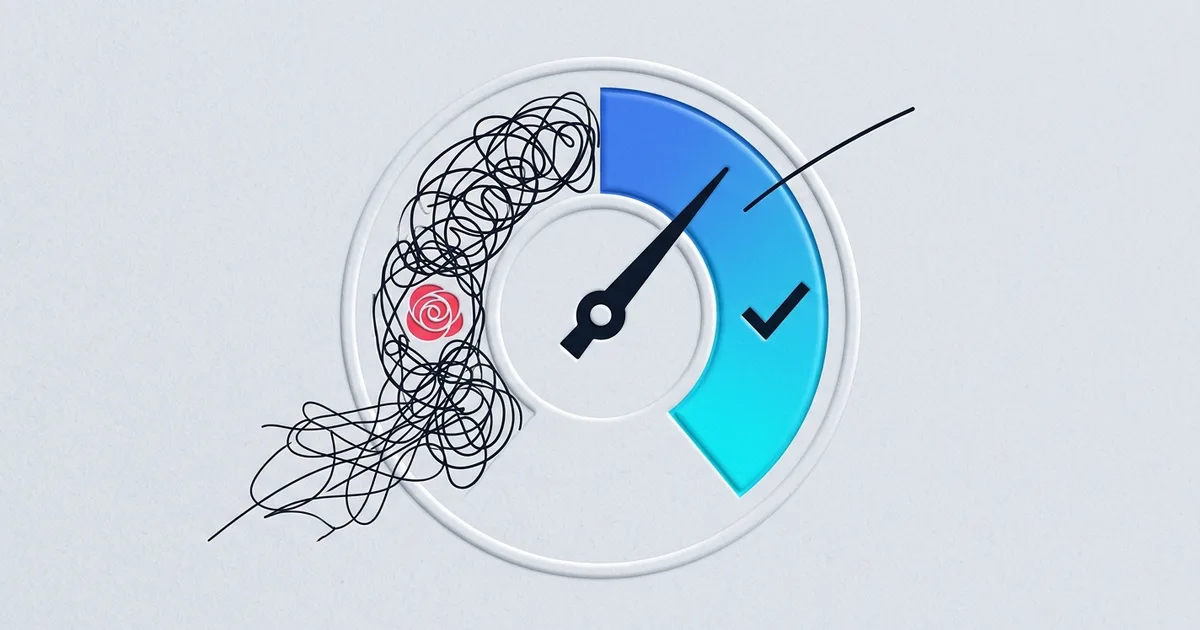
- Four input problems — duplicates, fragments, token floods, spam — drive most waste.
- The pipeline runs cheapest-first: rate limit → dedup → consolidate → token budget.
- Fixing the input layer cuts cost and crashes without touching the prompt.
The problem
- Teams swap models, rewrite prompts and add retries — while the leak sits one step earlier.
- An agent has no opinion about its input: it runs on every message, noise included.
- Four problems — duplicates, fragments, token floods, spam — drive most cost and crashes.
The solution
Each message runs cheapest-check-first, so noise is rejected before the expensive model call:
- Rate limit → is this sender within budget?
- Deduplicate → have we seen this content?
- Consolidate → is this part of a burst? Hold and merge.
- Token budget → is the payload within size limits?
Only a message that survives all four reaches the agent — and it belongs in one place, before the agent.
Result: lower cost and fewer crashes, without touching your prompt.
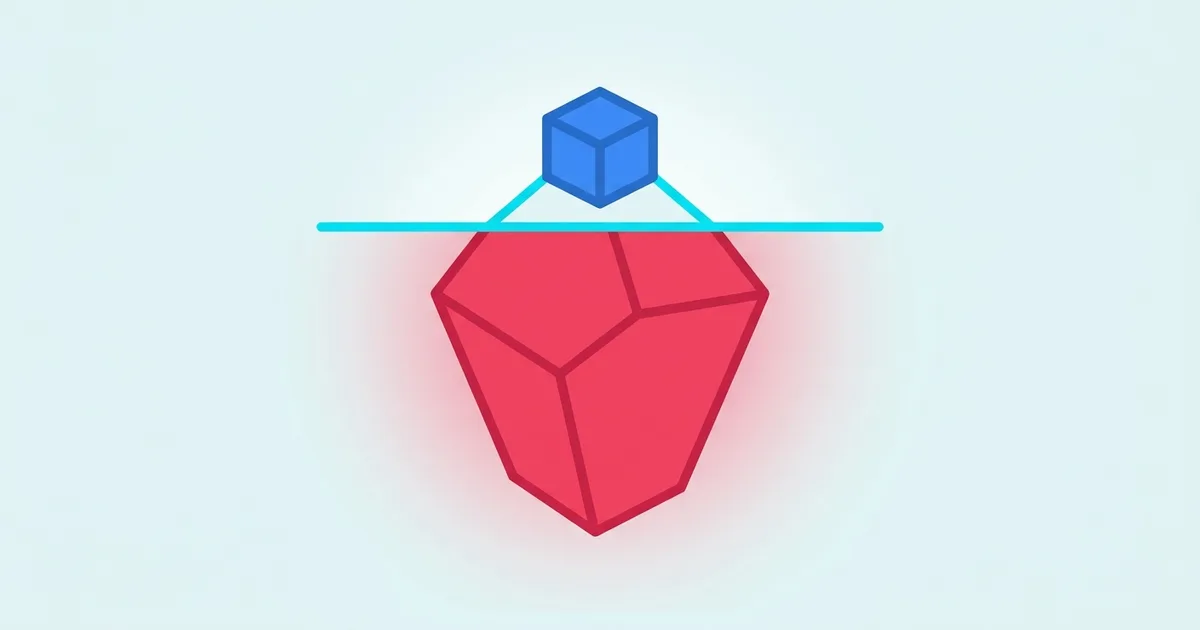
Most teams tune the wrong end of their AI agent. They swap models, rewrite prompts, and add retries — while the real leak sits one step earlier, in the messages the agent never should have processed. Message quality for AI agents is the discipline of fixing that input layer, and it decides your cost, your stability, and how the agent behaves under load.
This guide defines the category, breaks down the four problems that wreck message quality, and shows how each is fixed. It’s the map for a full cluster of deeper posts — each section links to the one that goes further.
What message quality means for AI agents
Message quality is how clean, deduplicated, and correctly-sized the input stream is before it reaches your LLM. An agent has no opinion about the messages it receives — it runs on every one. If a webhook fires three times, the agent runs three times. If a user sends four fragments, that’s four executions. The model doesn’t know the difference between a real intent and noise; it bills you for both.
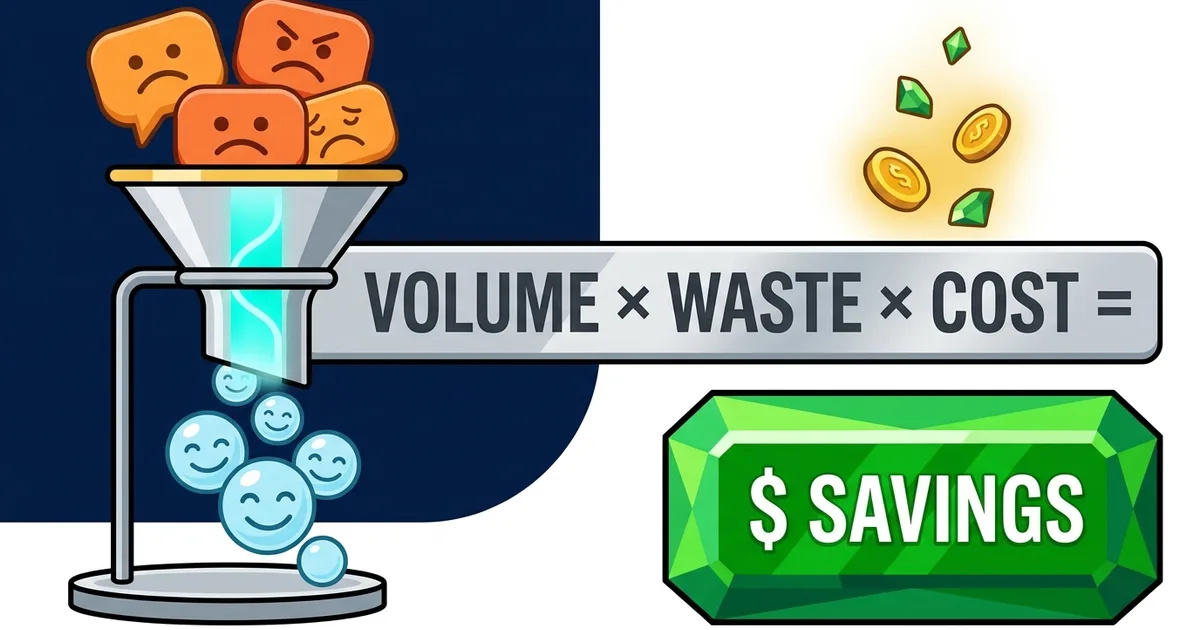
Every managed automation platform charges per execution or per operation, and every LLM charges per token. Input noise isn’t cosmetic — it’s a direct multiplier on your bill and a direct cause of the crashes you see at scale. The four problems below account for the overwhelming majority of wasted agent spend, and they compound: a fragmented conversation that also arrives twice is both a duplicate problem and a consolidation problem at once.
| Problem | What it looks like | What it costs |
|---|---|---|
| Duplicates | Same message delivered N times | N× executions for one intent |
| Fragments | “hi / wait / actually / help me with X” | One intent split into many runs |
| Token floods | A single 50K-token payload | One message priced like 50 |
| Spam / abuse | Bot bursts, retry storms | Runaway cost, agent instability |
Problem 1: duplicate messages
Duplicate messages are the most common and most invisible waste in an AI pipeline. Webhooks are delivered at least once by design — messaging platforms, payment processors, and automation tools all retry on timeout, so the same event routinely arrives two or three times, and your agent treats each copy as a fresh request.
The fix is deduplication: hash the meaningful content of each message, keep a short-lived record of hashes you’ve seen, and drop anything that matches inside a time window. For the full breakdown — hashing strategy, window sizing, and idempotency keys — see how to stop duplicate messages from triggering your AI agent.
Problem 2: fragmented messages
Fragmentation is how humans actually chat. Nobody types one clean paragraph — they send “hi”, then “wait”, then “actually”, then the real question. In a chat UI that’s one conversation; to a webhook-driven agent it’s four separate triggers, four executions, and four partial answers that confuse both the user and the model.
The fix is consolidation: hold messages from the same sender for a short debounce window, merge them in order, and release one complete payload. One intent becomes one run instead of five. The math, and why the true cost is roughly triple the naive estimate, is in why fragmented messages cost your AI bot 3x more.
Problem 3: token floods
A token flood is a single message large enough to distort your entire budget. Someone pastes a 50,000-token log, a full document, or a base64 blob, and that one payload costs as much as fifty normal messages — while risking a context-window overflow that silently truncates the answer.
The fix is a token budget enforced before the LLM sees the message: measure the token count at the gateway, then reject, trim, or route oversized payloads instead of letting them hit the model at full price. The failure modes and budgeting patterns are in token floods: how one message can blow your AI agent’s budget.
Problem 4: spam and abuse
The fourth problem is volume you didn’t ask for: bot bursts, retry storms from a misconfigured integration, and abuse that tends to arrive at 3am. Without a limit, each request is a real execution and a real charge, and a large enough burst takes the agent down.
The fix is rate limiting at the gateway — fixed window, sliding window, or token bucket — so a flood is throttled to a survivable stream and the excess is rejected with a standard 429 response. The patterns, and when to build versus buy, are in rate limiting AI agents.
Where message quality lives: the gateway
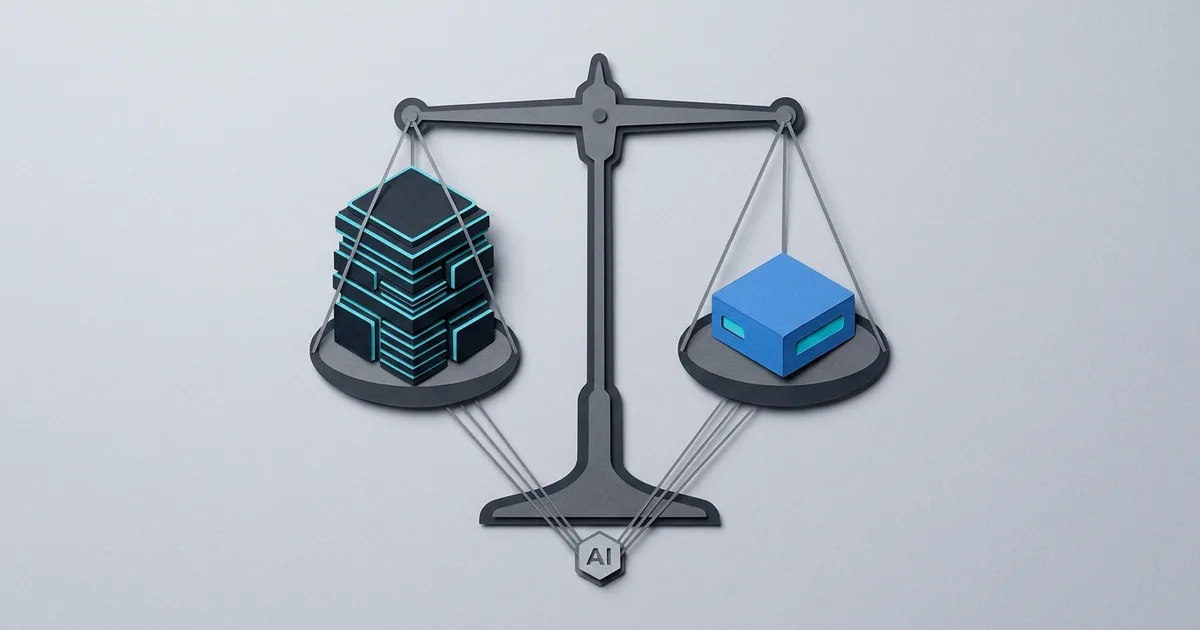
All four fixes share one property: they belong before the agent, not inside it. Bolting them into your workflow or prompt scatters the logic across every integration you own and forces you to maintain it forever. A message gateway is the dedicated layer: it sits between your channels and your agent, applies message-level intelligence to every payload, and passes through only what’s worth running. You change one URL and the four problems are handled in one place — though whether you build that layer or buy it is a real decision, weighed in custom middleware vs a message gateway.
Consolidation as the highest-leverage fix
If you only fix one thing, fix fragmentation. The mechanism — collecting a burst inside a window and releasing exactly one LLM call — is covered in message unification: turning a burst into one LLM call.
How the four fixes work together
Message quality is not four separate features you enable independently. They run as a pipeline on every message, in order, so the cheapest checks reject noise before the expensive ones run:
- Rate limit — is this sender within their budget? If not, reject early.
- Deduplicate — have we seen this exact content already? If so, drop it.
- Consolidate — is this part of a burst? If so, hold and merge.
- Token budget — is the merged payload within size limits? If not, trim or route.
Only a message that survives all four reaches the agent. Each stage is cheap; the model call is expensive. Ordering them this way means you pay for the LLM only on messages that genuinely deserve it.
FAQ
Is message quality the same as content moderation? No. Moderation judges whether content is allowed. Message quality judges whether content is worth processing — deduplicated, consolidated, and correctly sized. They’re complementary layers.
Can I fix this inside my n8n or Make workflow instead? You can, for a single workflow, but the logic then lives inside every integration you build and has to be maintained in each one. A gateway centralizes it so one URL change covers every channel.
Does better message quality change the agent’s answers? Yes, for the better. Consolidation gives the model the full intent instead of a fragment, and token budgeting prevents context-window overflow that silently degrades responses.
How much can this actually save? It depends on your traffic mix, but duplicates and fragments alone commonly account for a large share of executions. Work the ROI of message filtering on your own numbers.
Message quality is the input layer of every AI agent, and the one most teams never instrument. Fix the four problems and you cut cost and crashes at the same time, without touching your model or your prompt. A gateway applies all four in front of your agent: clean every channel with one URL change →.
Go fix the end of the pipeline everyone else ignores.
Thanks for reading. 👋
Orlando. -
Orlando Quijada
Technologist with 15+ years of experience. Developer, SaaS tester, and AI collaboration & optimization specialist. Currently contributing at portarus.com.
Written on